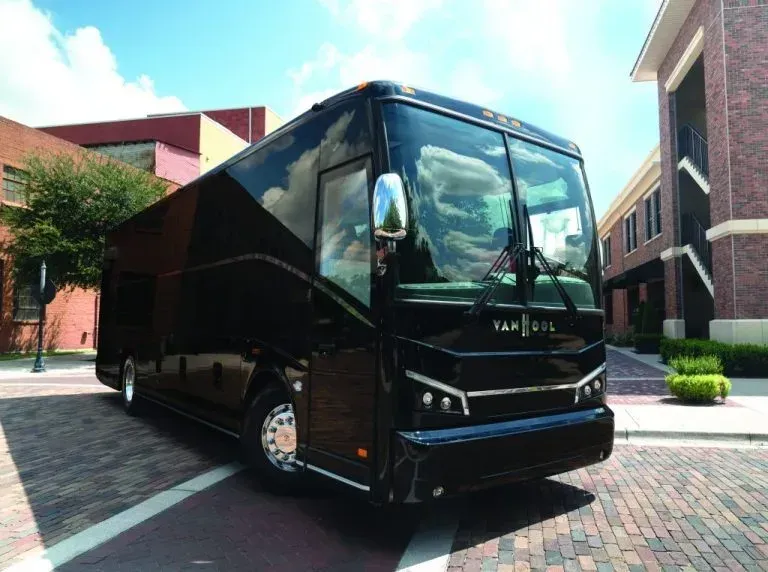
Planning transportation for a large group can easily become a demanding process when various schedules, pickup arrangements, and travel expectations need to be coordinated. Whether the event includes business functions, family occasions, group excursions, or special celebrations, making sure everyone arrives together and on schedule requires careful preparation. A carefully coordinated transportation plan helps eliminate complications, lessen delays, and create a more pleasant experience for every participant. By focusing on the critical factors involved in group transportation planning, organizers can create an efficient travel experience throughout the entire trip.
When numerous travelers journey together, transportation extends beyond basic passenger movement between locations. It becomes a significant component of the entire event experience. Careful organization helps preserve timelines, strengthen participant communication, and improve overall travel comfort. At A1 Quality Express Limousine, we believe organized transportation services play a vital role in helping groups travel with ease and peace of mind.
Begin Transportation Planning Early
Well-organized group transportation begins through early planning. Late planning can reduce transportation choices and make it more difficult to satisfy group requirements. Organizers should first establish attendance numbers, travel dates, projected departure times, and destination details. Gathering this information early creates a solid foundation for making transportation arrangements that support the event's overall schedule.
Proactive planning creates time to address concerns before they develop into larger obstacles. Transportation arrangements can be affected by traffic conditions, event timelines, pickup coordination, and accessibility requirements. Taking care of these elements early allows organizers to implement transportation plans that keep travelers moving effectively. Extensive preparation typically helps create smoother transportation experiences and minimizes unexpected challenges.
Evaluate Group Size and Travel Requirements
An essential part of coordinating transportation involves understanding the group’s size and individual travel needs. Correct passenger totals help planners choose suitable vehicles while avoiding capacity-related issues. Organizers should confirm attendance numbers as early as possible and continue updating those figures as plans evolve.
Apart from determining group size, attention should be given to the unique needs of participants. Some travelers may require additional luggage space, while others may need special accommodations or assistance. Recognizing these requirements helps transportation plans be tailored appropriately. Investing time in collecting detailed information helps support a smoother and more comfortable journey for everyone involved.
Design a Well-Organized Transportation Schedule
A structured transportation timetable acts as a blueprint for all participants. Planners need to map out departure schedules, pickup points, travel time estimates, arrival targets, and designated stops. A clear schedule helps eliminate uncertainty and keeps all participants informed of timing and locations. Strong consistency and clear planning are vital when organizing transportation for bigger groups.
Effective communication greatly contributes to schedule reliability. All group members should obtain transportation information in advance. Sharing travel details through various platforms helps keep everyone aligned. Clear expectations help transportation operations function more effectively and smoothly.
Establish Centralized Pickup and Drop-Off Locations
Organizing numerous pickup areas often increases logistical difficulty for large groups. Whenever feasible, planners should designate central pickup and drop-off locations that are convenient for everyone. Centralizing locations helps speed up boarding and minimizes party bus services delays caused by frequent stops. This approach improves communication flow and strengthens overall efficiency.
Using centralized locations makes it easier to verify all passengers before leaving. Group leaders can verify attendance, distribute updates, and answer questions before the journey begins. This organized approach helps ensure that everyone is prepared and that transportation operations stay on schedule. Clear designated points strongly support a coordinated travel process.
Ensure Clear Communication at Every Stage
Clear communication is among the most important elements of successful transportation planning. Travelers should be consistently informed about timing, pickup guidance, expectations, and updates. Accurate communication reduces confusion and helps passengers prepare properly. Strong communication supports both efficiency and passenger satisfaction.
Planners should create stable communication channels for ongoing updates. Messaging platforms, email alerts, and assigned contacts help distribute information efficiently. Communication consistently serves as the unifying factor in organized transportation. Frequent updates improve reassurance and reduce potential issues.
Prepare for Sudden Changes
Carefully structured transportation plans can still be affected by unexpected events. Weather conditions, traffic congestion, schedule adjustments, and participant delays may require quick decision-making. Adding flexibility to plans helps coordinators respond efficiently to unexpected issues. Proper preparation helps maintain stability despite evolving circumstances.
Backup communication systems, alternative routes, and assigned contacts should be part of contingency planning. Prepared systems help reduce stress and maintain order during disruptions. Proactive strategies help maintain efficiency during necessary adjustments.
Put Passenger Comfort and Convenience First
Passenger comfort plays a significant role in the overall transportation experience. Large groups frequently travel for long durations, making comfort and convenience essential. Comfortable seating, organized boarding procedures, and a well-managed travel environment help create a positive atmosphere throughout the journey. Comfortable travelers are more likely to enjoy the journey and arrive prepared.
Convenience also contributes to successful transportation coordination. Easy boarding systems, clear directions, and efficient scheduling reduce complications. Proper organization allows travelers to focus on the experience rather than planning details. Comfortable and convenient travel contributes to a more successful occasion.
Rely on Experienced Transportation Teams
Handling group transportation requires managing many elements, making expert support important. Experienced teams are skilled in managing logistics and maintaining smooth operations. Their expertise helps planners manage complex logistics while maintaining organized and dependable operations.
Skilled transport professionals bring practical knowledge that enhances coordination. Their experience with group travel helps them anticipate issues and suggest effective solutions. Using expert support allows organizers to concentrate on the event while logistics are managed properly.
Make Transportation an Extension of the Event
Transportation functions best when integrated into the event experience. Organized transportation helps passengers enjoy and engage before the event begins. Effective transportation planning improves the overall experience and fosters a professional atmosphere.
At A1 Quality Express Limousine, we know that successful transportation is built on planning, communication, and service excellence. Organizing large-group transportation does not need to be overwhelming when proper strategies are applied. By emphasizing structure, preparation, and comfort, groups can experience smooth travel that enhances any event. We are committed to creating reliable travel experiences that ensure passenger peace of mind.